On this page
Car Insurance in Buckeye, AZ Without Guesswork or Generic Advice
If you live in Buckeye and need personal auto insurance, SR-22 help, or want to explore non-owner policy eligibility, this page walks you through what actually matters for your daily driving. ArizonaCarInsurance.com (Drivers Insurance Agency, Inc.) serves Buckeye residents by phone at (844) 539-1313 and online only – we do not have a physical office in Buckeye.
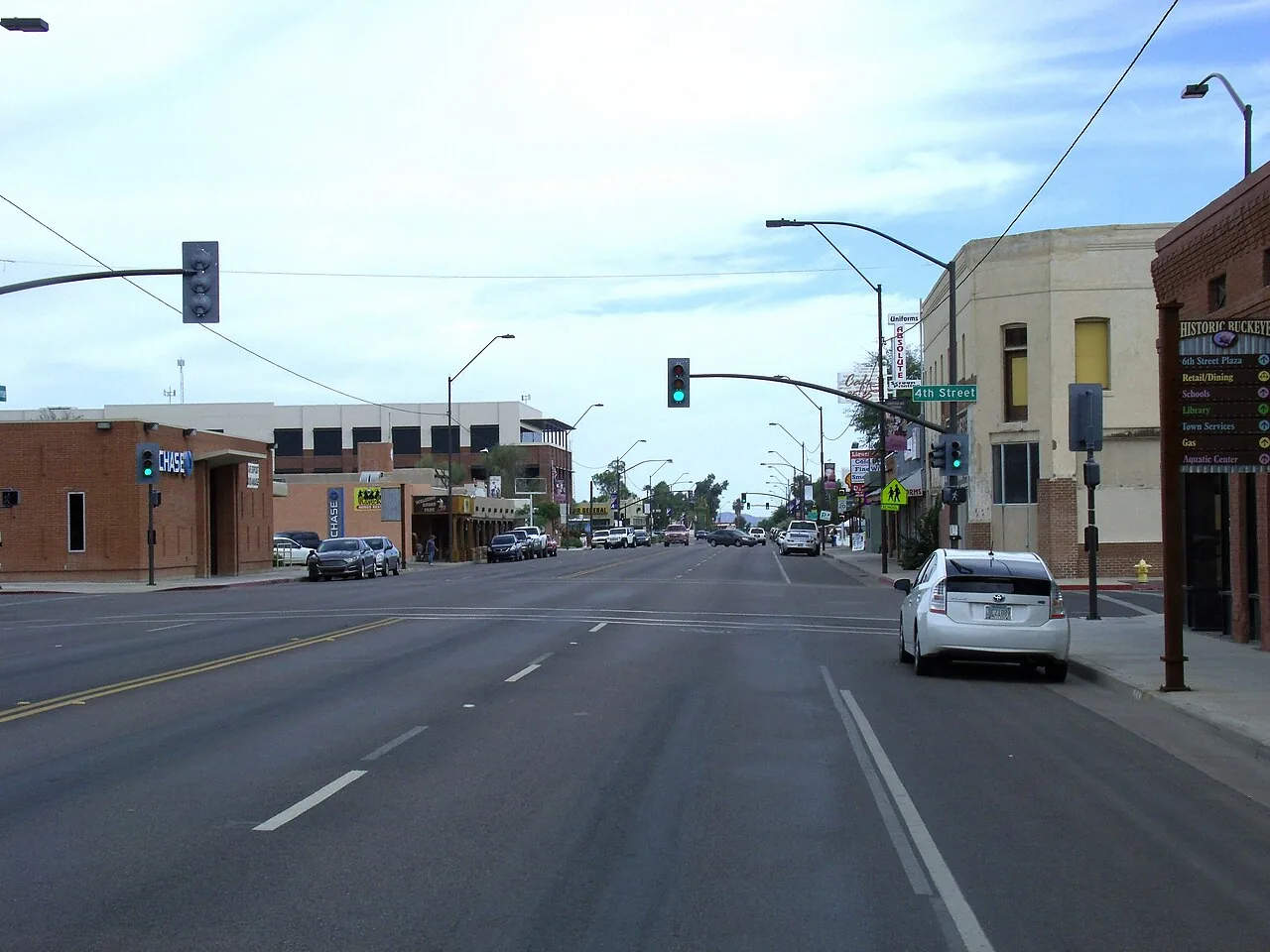

Below you will learn how Arizona’s minimum liability requirements apply in Buckeye, AZ, which optional coverages tend to matter most for longer commutes and shared household vehicles, and how to request an agent-assisted quote that reflects your real mileage and driving profile. We also cover SR-22 filings and non-owner options for eligible drivers.
One important note before we begin: coverage is never active until an insurer accepts your application and confirms an effective date and time. Selecting a package or submitting a form does not bind a policy.
Car Insurance Built Around How Buckeye Residents Drive
Buckeye households use their vehicles in different ways: commuting on I-10, making local trips near Watson Road, sharing school and work driving, or traveling on SR-85. Describe your actual annual mileage and regular drivers when comparing coverage. A Buckeye ZIP code alone does not describe those needs.
Instead of generic advice, this page connects Arizona state rules with everyday situations: a family sharing one vehicle for an I-10 commute, a younger driver heading to campus, or a person who doesn’t own a car but borrows one on weekends. Quotes through ArizonaCarInsurance.com are agent-assisted via phone or the online form – not instant online binding or guaranteed acceptance.
Why ArizonaCarInsurance.com Works for Buckeye Drivers
Working with an Arizona-focused agency means the conversation starts with the coverage rules and road conditions that actually apply here, not a national script.
Key Benefits for Buckeye, AZ Households
-
Arizona-Focused Guidance – Every explanation reflects Arizona’s liability minimums (25/50/15) and state-specific rules like the UM/UIM offer requirement and optional safety-equipment glass coverage, which matters in Arizona because cracked windshields are common and can shape the right car insurance coverage choice for your household.
-
Buckeye-Relevant Scenarios – Agents can account for longer commutes, multiple drivers in one household, and vehicles parked at a Buckeye home while owners carpool or use Buckeye’s public transit services.
-
Side-by-Side Coverage Comparisons – Comparing quotes from multiple insurers is advised before purchasing car insurance. Agents help compare liability, comprehensive, collision, and optional coverages at matching limits and deductibles so you see real tradeoffs – not just a monthly number.
-
SR-22 and Non-Owner Options – The agency can help eligible drivers with SR-22 filings and non-owner policies subject to insurer rules and availability.
-
Clarity on Add-Ons – Understand exactly how roadside assistance differs from a mechanical repair warranty, and what rental reimbursement actually covers during a covered claim versus a routine breakdown.
How Getting Car Insurance in Buckeye, AZ Works With Us
The process is straightforward, whether you call or start online. Here is what to expect.
Step 1: Share Your Buckeye Driving Picture
Call (844) 539-1313 or start via the online quote form. Key information typically needed includes your exact Buckeye garaging address, all regular drivers and their dates of birth, 17-digit VINs if available, approximate annual mileage (including I-10 or SR-85 commutes), and any financed or leased vehicle details. Approximate dates for tickets, accidents, or claims over the past five years help produce more accurate comparisons. Arizona DIFI explains that insurers may use credit history in eligibility or pricing, subject to state restrictions. Providing this information does not bind coverage or guarantee acceptance.
Step 2: Compare Options Side by Side
An agent reviews available carrier options based on your Buckeye address and driving profile, then can follow up with quote options. Insurance premiums can vary significantly between companies for similar car insurance coverage, so comparisons focus on local road risks as well as matching liability limits, comprehensive and collision deductibles, and key extras like rental reimbursement, roadside assistance, and glass options. The agent can walk through differences in total term cost – not just a teaser monthly estimate – and point out any fees or payment-plan impacts.
Step 3: Choose Coverage and Confirm Your Start Date
Once you choose a proposed package, the carrier must still underwrite and accept the application. Coverage begins only after the insurer confirms an effective date and time. Do not cancel any existing policy until the new one is fully active. Your agent can explain how to submit proof of insurance to Arizona MVD for registration or SR-22 purposes when required.
Driving in Buckeye: Local Factors That Shape Your Coverage Choices
Buckeye’s layout – a mix of newer subdivisions, highway corridors, and open desert – creates distinct driving realities. Review the routes you actually use and what your household would need if its main vehicle were unavailable after a covered crash. Arizona has specific driving conditions that can affect insurance premiums, and understanding how your daily routes translate into coverage needs is more useful than guessing at car insurance rates.
I-10, Jackrabbit Interchange Work, and Regular Highway Miles
Many Buckeye drivers rely on I-10 for trips into Goodyear, Phoenix, or other Valley cities. Your own commuting schedule and annual mileage matter more to a quote than a citywide average. The Jackrabbit Trail / I-10 interchange project involves bridge reconstruction, ramp widening and signal work. Check the project’s current updates before traveling; old closure notices may no longer apply. Separately, drivers who depend on one main vehicle should review collision coverage and rental reimbursement for a covered crash. Construction does not establish your premium or guarantee a claim payment.
Estimating Mileage When Your Weekly Routine Changes
Use your own recent driving as a starting point: a 20-mile trip each way, three days a week for 50 weeks, is about 6,000 commuting miles before errands and other travel. That is a calculation example, not a Buckeye average or a premium estimate. If you start carpooling, change jobs, or work from home more often, tell the insurer and ask how it wants your annual mileage updated. Keep any estimate honest and include all regular use.
Rural Highways, Open Desert, and Towing Distance
Buckeye provides access to stretches like SR-85 and Sun Valley Parkway with fewer nearby repair facilities. Many insurers offer roadside assistance for rural highways, but these options often carry per-tow distance limits. If your preferred shop is located in Goodyear or Phoenix, confirm your policy’s towing mileage covers that distance. Roadside assistance typically handles towing and limited services after a breakdown or covered event – it is not a warranty for mechanical repairs.
Construction, Rock Chips, and Optional Glass Coverage
A windshield chip and a collision require different coverage questions. Ask which selected protection applies to the actual cause of damage and whether a deductible or other condition applies. Comprehensive coverage addresses non-collision events like theft, certain weather damage, and glass damage. It is optional under Arizona law but a lender may require comprehensive and collision coverage for a financed vehicle. Under ARS 20-264, insurers providing comprehensive coverage for private-passenger autos must offer an option for repairing or replacing safety equipment – including windshield, door, and window glass, and vehicle lights – without applying a deductible. This optional protection is not automatic or necessarily free; compare its premium and terms before choosing it.
Understanding Arizona Car Insurance Requirements for Buckeye Drivers
Arizona sets minimum liability coverage requirements statewide, including Buckeye. This section summarizes key rules; consult Arizona DIFI and MVD directly for the latest official details.
Arizona Minimum Liability Coverage: 25/50/15
Arizona requires minimum liability coverage of 25/50/15: $25,000 for bodily injury per person, $50,000 for total bodily injury per accident, and $15,000 for property damage per accident. Arizona is an at-fault state, so the driver who causes a crash is generally responsible for resulting damages, and minimum limits may leave little protection after a serious loss. Liability coverage pays for certain injuries or property damage you cause to others in an at-fault crash, up to purchased limits – not for your own car’s repairs. Driving without proof of required liability coverage can lead to registration and driver’s license consequences through Arizona MVD. MVD gives owners 30 days after initial registration to submit proof of Arizona insurance. This paperwork deadline does not create a grace period to drive uninsured.
Optional but Common Coverages in Buckeye
-
Comprehensive and Collision – Collision and comprehensive coverage are optional under Arizona law, but lenders frequently require both for vehicles with loans or leases. Deductibles apply, and these coverages address your own vehicle’s physical damage for covered causes. Coverage options can be customized around local road conditions and the kinds of things your household wants protected.
-
Uninsured and Underinsured Motorist (UM/UIM) Bodily Injury – Under ARS 20-259.01, insurers must make written offers of UM and UIM coverage. Consider this optional protection for eligible injury losses caused by an uninsured or inadequately insured driver. These coverages help with bodily injury costs when another driver lacks adequate liability insurance – they do not pay for vehicle repairs.
-
Medical Payments – Some policies offer limited medical-expense coverage for you and your passengers after a covered crash, regardless of fault.
-
Roadside Assistance – An optional add-on covering towing and basic emergency services, subject to mileage caps and event limits.
-
Rental Reimbursement – Pays a daily amount toward a rental car after a covered physical-damage claim, up to specified daily and total caps. It does not apply to routine maintenance or mechanical breakdowns.
SR-22 Filings and Non-Owner Insurance for Buckeye Residents
SR-22 in Arizona: What Buckeye Drivers Should Know
An SR-22 is a certificate of financial responsibility your insurer files with Arizona MVD – it is not its own policy and does not restore driving privileges by itself. Requirements and durations (often three years, but not always) are set by MVD based on the specific action, such as certain DUI or no-insurance suspensions. Check your own MVD notices for exact dates. ArizonaCarInsurance.com can help connect eligible Buckeye drivers with insurers that offer policies including SR-22 filings, but availability is not guaranteed.
Non-Owner Insurance for Buckeye Drivers Who Don’t Own a Car
A non-owner policy generally provides liability coverage for eligible drivers who do not own a car but occasionally borrow or rent vehicles. Common limitations: usually no coverage for physical damage to the borrowed car, typically not available if you have regular access to a household vehicle, and eligibility rules vary by insurer. A Buckeye resident who uses Valley transit most days and rents or borrows a car occasionally – or needs an SR-22 without owning a vehicle – might consider this option. Call (844) 539-1313 to discuss whether it fits your situation; final eligibility is up to the carrier.
Coverage Priorities for Buckeye, AZ Households
There is no standardized “full coverage” package – the term is informal and its contents vary by insurer and policy. Here are priorities to discuss with an agent.
Protecting People First: Liability and UM/UIM Limits
Consider the costs of serious injuries in a major I-10 or SR-85 crash, since crashes happen for many reasons and liability and UM/UIM limits deserve careful review, versus minimum 25/50/15 limits. Households with teen or younger drivers, carpools, or frequent mixed-traffic Valley driving may benefit from discussing higher limits. UM and UIM bodily injury coverage matters in an at-fault state like Arizona where other drivers may carry low limits. Drivers with clean records may qualify for lower premiums or safe-driver discounts, which can make higher limits more affordable.
Protecting Your Vehicle: Comprehensive, Collision, and Deductible Choices
Ask yourself: Do you depend on one car for a long commute? Is your vehicle financed? How much money could you pay out of pocket for sudden repairs? Higher deductibles may lower your premium but increase what you owe after a covered loss. Comprehensive can cover certain weather-related losses, subject to policy terms. The optional safety-equipment provision under ARS 20-264 addresses the deductible for covered glass and other specified equipment damage; it does not prevent chips or cover every cause of damage.
Staying Mobile After a Covered Claim: Rental and Roadside
A family with one primary commuting vehicle may rely on rental reimbursement during a covered repair. Match daily and total limits to realistic Buckeye rental prices and likely repair timelines. Roadside assistance is particularly useful on longer, less-serviced road stretches, but confirm that towing distance limits reach your preferred shop. Ordinary rental reimbursement generally requires a covered physical-damage loss. Roadside assistance can provide covered towing or limited on-scene services after a mechanical breakdown, but it does not pay the repair bill. Progressive’s roadside explanation illustrates why towing limits, extra mileage and repair costs must be checked separately; your own policy controls.
Questions to Ask Before You Rely on a Rental or Tow
Ask whether towing ends at the nearest qualified repair facility or a shop you choose, how extra mileage is charged, and whether parts, fuel or other supplies cost extra. Confirm any limit on service calls. For rental reimbursement, review both the daily allowance and the total benefit: a hypothetical $30 daily allowance with a $900 maximum does not pay an unlimited rental bill. Covered-loss requirements, actual rental costs and the policy’s ending conditions still apply. Ask the claims adjuster about authorization and when reimbursement stops before committing to a rental.
How to Compare Buckeye Car Insurance Quotes the Right Way
The lowest month-to-month number is not always the best deal if limits or deductibles differ significantly across quotes.
Checklist for “Apples to Apples” Comparisons
-
Match Liability Limits – Confirm each quote uses the same bodily injury and property damage liability limits.
-
Match Comprehensive and Collision Deductibles – Verify identical deductible amounts (for example, $500 comp / $1,000 collision) before judging cost differences.
-
Verify UM/UIM and Medical Options – Check whether UM/UIM bodily injury amounts match and whether medical payments coverage is included or excluded.
-
Check Rental and Roadside Details – Confirm caps, mileage limits, and conditions for both.
-
Look at Total Policy Term Cost – Compare the full six-month or annual cost including fees, not just a teaser estimate.
-
Provide Accurate Information – Your exact garaging address in Buckeye, all regular drivers, actual mileage, and any paid app-based driving affect eligibility and price. Accurate zip codes and VINs matter.
Who Buckeye Car Insurance From ArizonaCarInsurance.com Is Best For
Buckeye Drivers This Page Can Help
-
Daily I-10 and SR-85 Commuters – Residents who rely on one vehicle for long weekday drives across the Valley and want to balance liability, physical damage, and rental coverage.
-
Growing Households With Teen or College-Age Drivers – Families adding new drivers and sharing vehicles between Buckeye and area campuses; list their actual use when asking for quotes.
-
Drivers Coming Back From a Suspension – Buckeye residents who need a policy that includes an SR-22 filing to satisfy Arizona MVD requirements.
-
Residents Without a Car but Who Still Drive Sometimes – People who use regional transit or carpool most days but rent or borrow vehicles occasionally and want to explore non-owner coverage eligibility.
Frequently Asked Questions About Car Insurance in Buckeye, AZ
Do Buckeye’s long commutes automatically mean I pay more for car insurance?
Insurers often consider annual mileage and usage type among many rating factors, but living in Buckeye does not guarantee a specific price. An accurate mileage estimate helps produce realistic quotes. Some people who drive fewer miles may find lower rates, while higher-mileage commuters may see different options – every person’s profile is evaluated individually.
What does “full coverage” mean in Buckeye?
“Full coverage” is an informal term, not a standardized package. Most people use it to mean liability plus comprehensive and collision, and possibly extras like rental reimbursement and roadside assistance. But the actual limits, deductibles, and included coverages vary by policy and insurer. Always review declarations pages rather than relying on the label.
Does roadside assistance through my policy cover major mechanical repairs?
No. Roadside assistance usually pays for towing and simple services like jump-starts or flat-tire help, up to stated limits. It does not cover the cost of parts or larger mechanical repairs once the vehicle reaches a shop. Check your policy for specific mileage and event caps.
How does rental reimbursement work if my car is in the shop after a crash?
When purchased, rental reimbursement typically contributes a daily amount toward a rental vehicle after a covered physical-damage claim, up to specified daily and total caps. It usually does not apply to maintenance visits or non-covered mechanical breakdowns. Confirm your limits match realistic local rental prices and expected repair days.
How do I know if I need an SR-22 in Arizona?
Arizona MVD notifies drivers when an SR-22 is required after certain suspensions or revocations. Check your official MVD notices or contact MVD directly for your specific requirements, then call (844) 539-1313 to discuss policy options that can include an SR-22 filing if you are eligible. You can also start the process online without waiting for an agent to call back, but quotes are still agent-assisted rather than instant or bound online.
Get Car Insurance Help for Buckeye, AZ Today
ArizonaCarInsurance.com helps Buckeye drivers understand Arizona requirements, compare realistic auto insurance options at matching limits and deductibles, and address specific needs like SR-22 filings or non-owner inquiries. Whether you are a daily I-10 commuter, a family adding a younger driver, or someone returning from a suspension, an agent can walk through what applies to your situation.
We serve Buckeye by phone and online only – no local storefront. Coverage is not in force until the insurer accepts your application and confirms an effective date and time.
Call (844) 539-1313 or visit /quote/ to start an agent-assisted quote for affordable Buckeye car insurance today.